A CARBON IMPACT STATEMENT FOR OWNERS AND CHARTERERS
Unlike shipping and other industries, we do not collect and report on carbon emissions from the use of superyachts, but it would be easy to


Unlike shipping and other industries, we do not collect and report on carbon emissions from the use of superyachts, but it would be easy to
There has been a lot of focus on new technologies and green fuels such as hydrogen and methanol as a means of decarbonising the superyacht
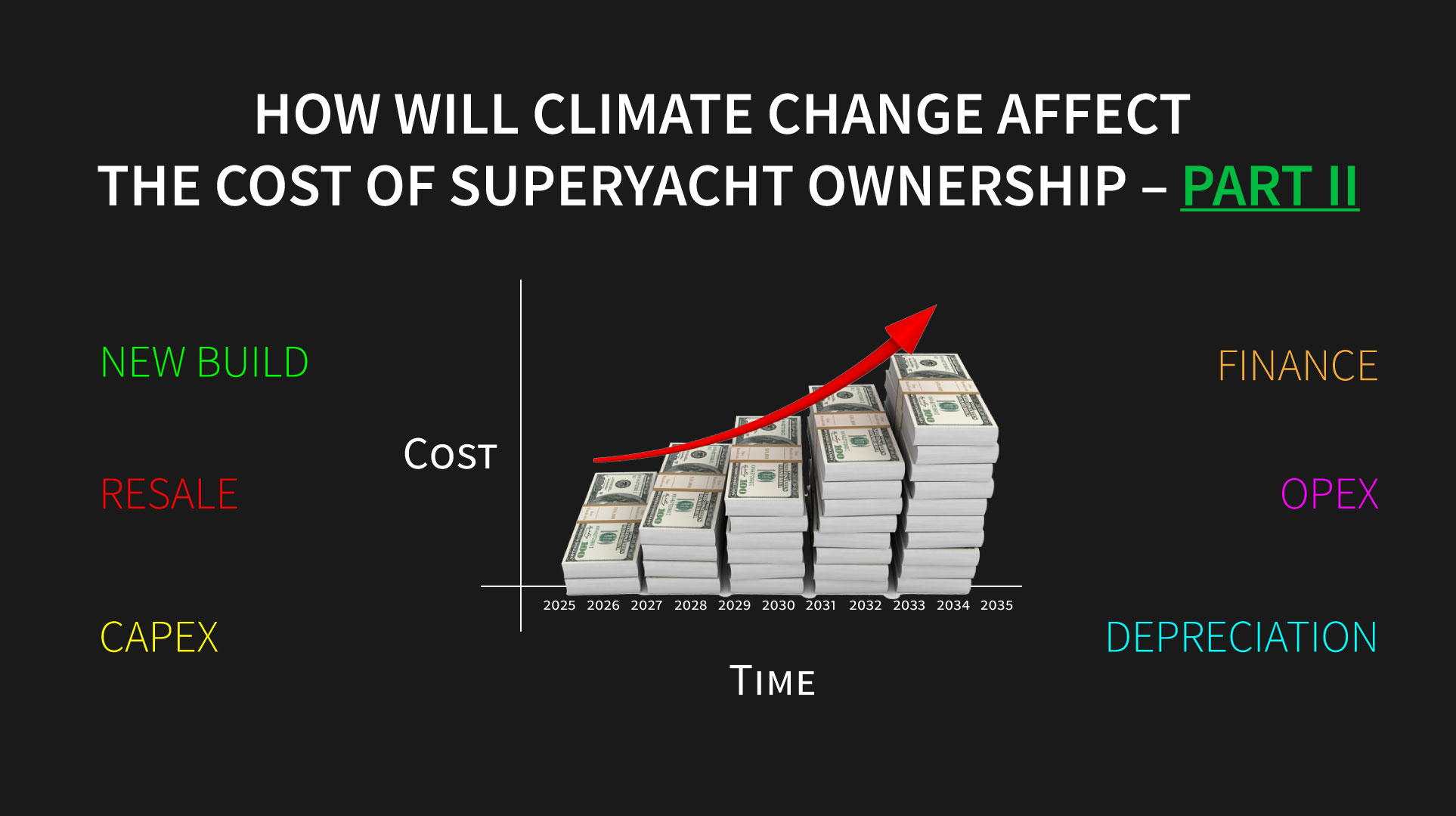
In Part I we looked at how a carbon tax and more energy efficient yachts could affect Operational Costs, in this second part we consider
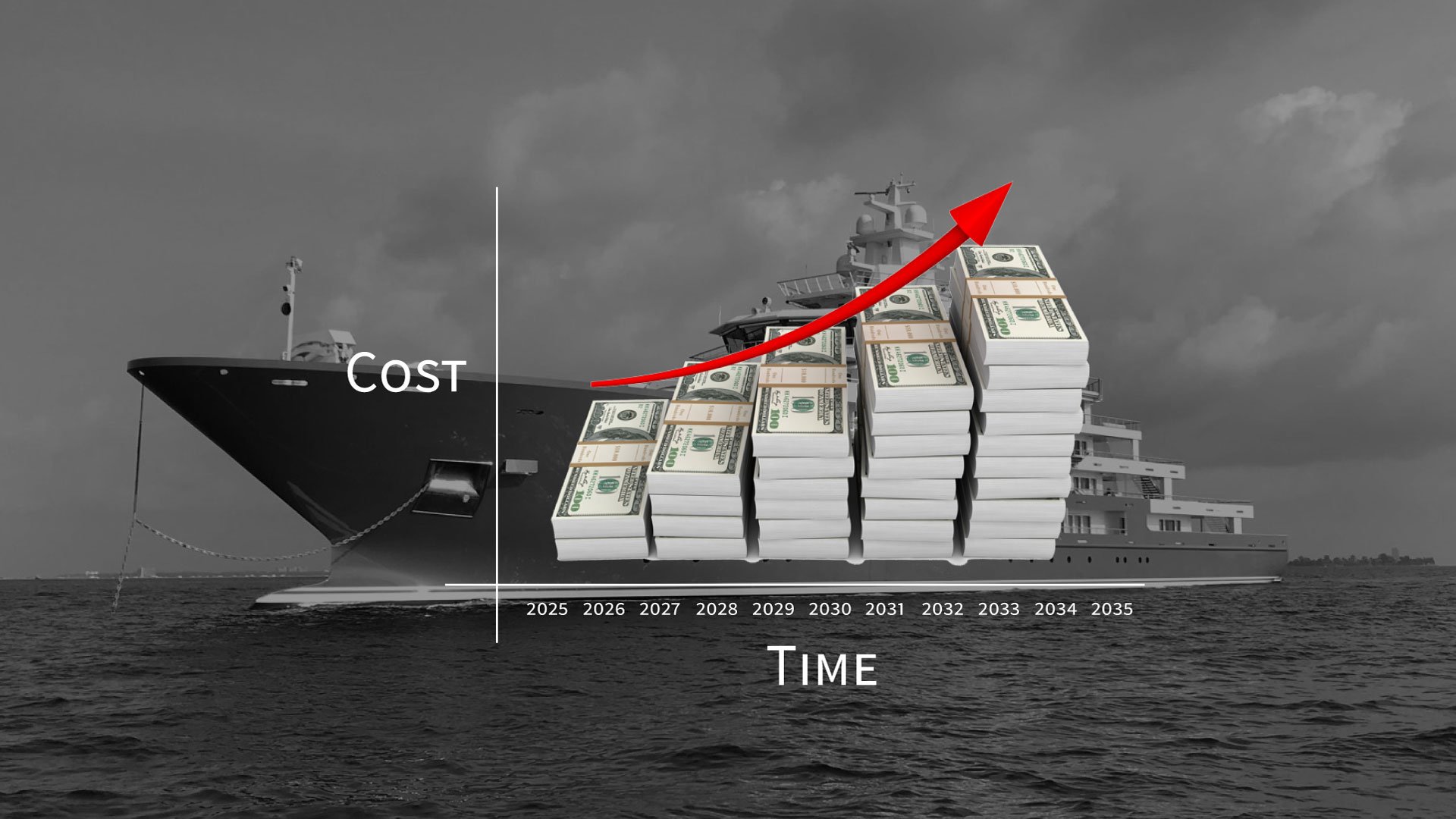
Superyacht ownership will be more expensive in the coming years. This is not only due to inflationary pressures e.g. raw materials, employment, and the cost
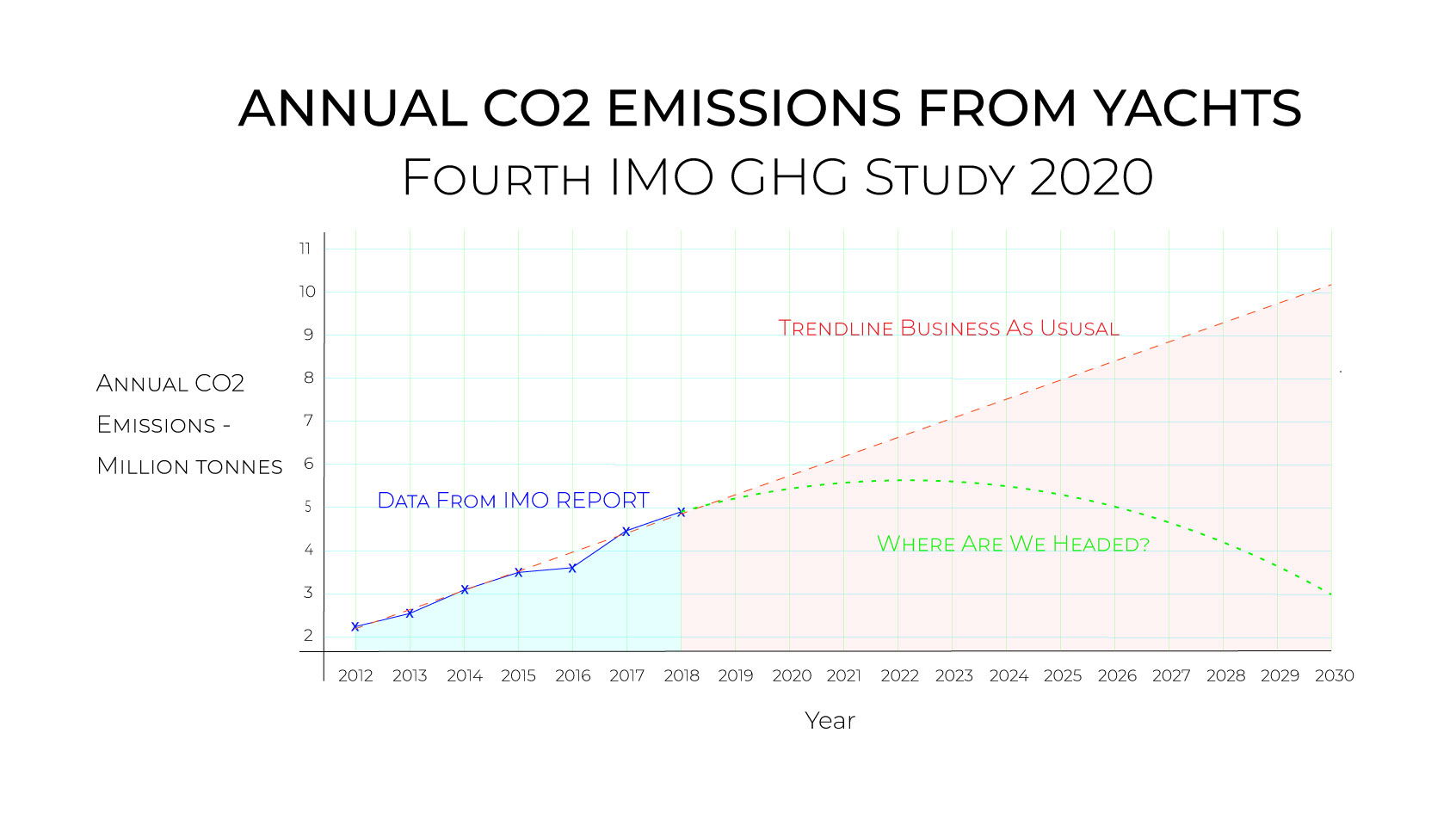
People often ask about the GHG emissions from superyachts and the ‘Fourth IMO GHG Study 2020’ provides some indicators for each year from 2012 –

There has been much talk about reducing CO2 emissions from superyachts and apart from incremental changes that may be possible through technology such as hybrid
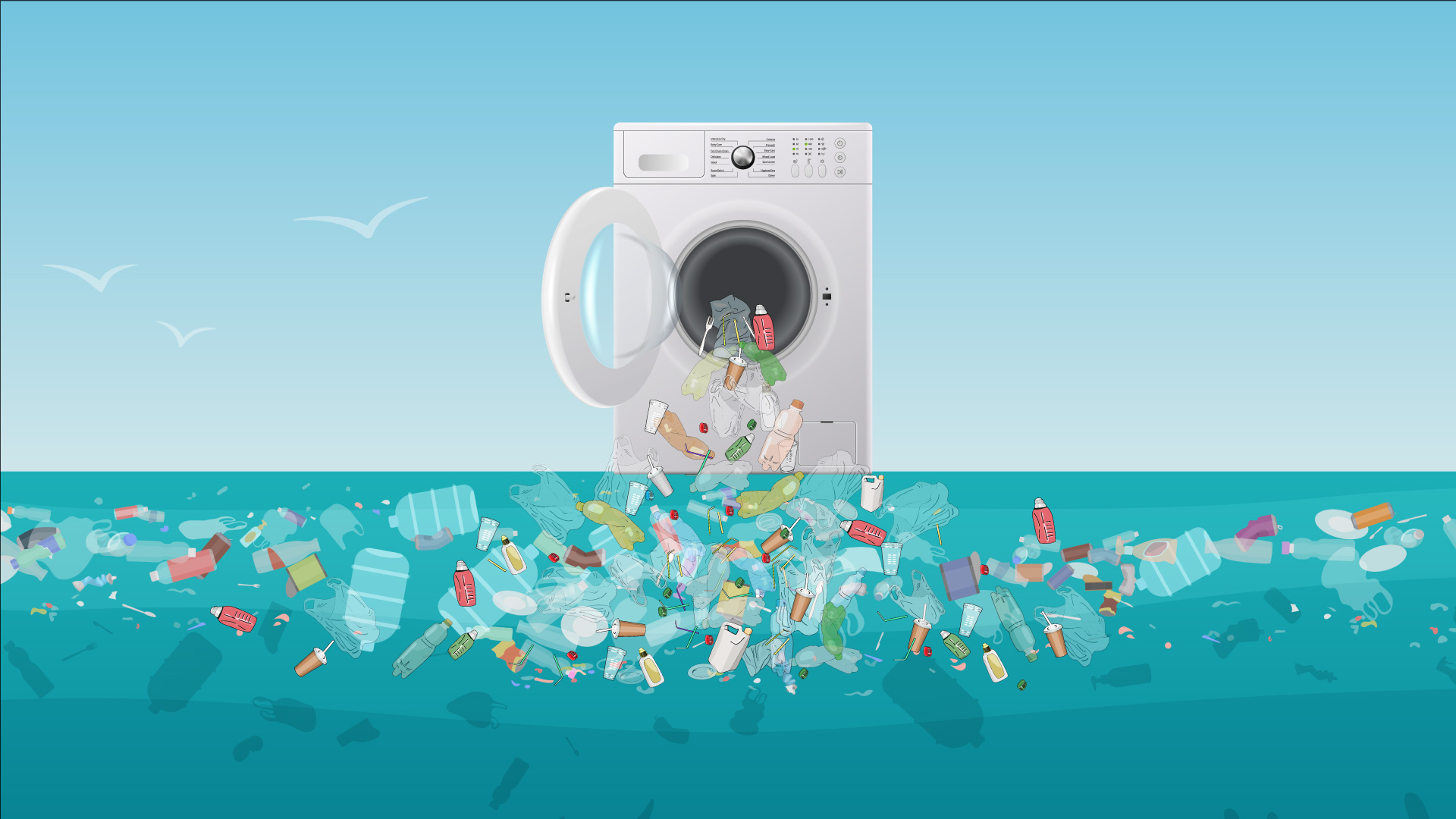
There is a growing body of evidence that suggests a large percentage of the microfibres in our oceans is the result of washing clothes in automatic machines.
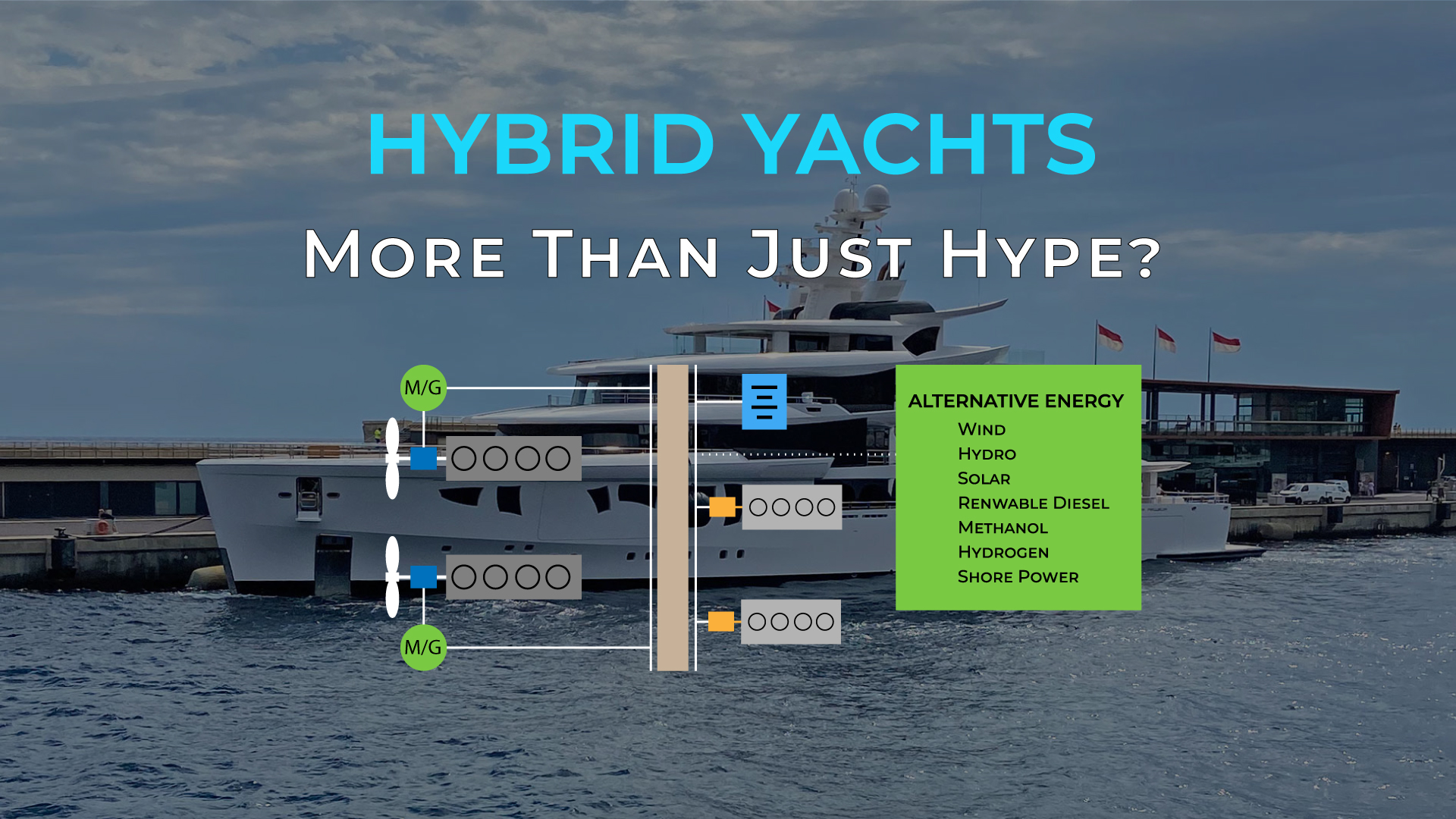
There has been a lot written about ‘Hybrid’ yachts, often with some hype about being eco-friendly, having green credentials, etc., but with very little information